
ESMO Meme Kanseri 2025: Bilimsel Etkinlik Duyurusu
Lugano, Switzerland, 7 May 2025 – The upcoming ESMO Breast Cancer 2025 congress, scheduled from 14 to 17 May in Munich, Germany, is set to be a landmark event in the oncology calendar. This prestigious meeting will convene leading breast cancer researchers, clinicians, and healthcare professionals from around the globe to exchange groundbreaking scientific findings and discuss novel therapeutic strategies. As breast cancer remains a multifaceted disease with diverse biological underpinnings, the congress promises a comprehensive exploration of both translational research and clinical advances, spanning molecular diagnostics, innovative treatments, and patient-centered care.
At the forefront of discussion will be cutting-edge developments in circulating tumor DNA (ctDNA) applications. CtDNA has emerged as a highly sensitive biomarker, capable of providing real-time insights into tumor dynamics and residual disease burden. The congress will highlight new data underscoring ctDNA’s prognostic value across multiple breast cancer settings. Attendees will learn how integrating ctDNA analyses into clinical workflows could refine therapeutic decision-making, enabling more personalized treatment regimens and potentially reducing unnecessary toxicity.
Immunotherapy, a pillar of cancer treatment with transformative success in malignancies such as melanoma and lung cancer, is gaining renewed attention in the context of breast cancer. The immunogenic landscape of breast tumors is complex, varying notably between subtypes such as triple-negative breast cancer (TNBC) and hormone receptor-positive disease. Sessions will delve into which patient populations might derive benefit from immune checkpoint inhibitors and combinatorial strategies, informed by biomarkers like tumor-infiltrating lymphocytes (TILs). Recent findings evaluating TILs as a prognostic and predictive tool in early-stage TNBC could herald shifts in how adjuvant therapies are tailored according to individualized immune profiles.
Antibody-drug conjugates (ADCs) represent another promising frontier. These agents intricately link potent cytotoxins to monoclonal antibodies targeting tumor-specific antigens, thereby achieving selective cytotoxicity while sparing normal tissues. New evidence to be presented at the congress will explore emerging ADCs directed toward novel targets in breast cancer, alongside mechanistic insights into resistance pathways that may limit their efficacy. These discussions will be critical for guiding future ADC development and clinical implementation, aiming to maximize therapeutic index and overcome drug resistance.
Younger patients with breast cancer often face unique challenges, ranging from aggressive tumor biology to fertility preservation and psychosocial considerations. The congress will include dedicated sessions highlighting advances in the management of breast cancer in this demographic. Notably, recent longitudinal data addressing long-term survival and pregnancy outcomes after breast cancer treatment will inform counseling and risk assessment. Such information is imperative for oncologists striving to balance effective cancer control with quality-of-life and reproductive health goals.
One of the pivotal studies to be featured involves long-term follow-up data extending over 11 years in patients with early, HER2-positive operable breast cancer at high risk of relapse. These patients had received combination therapies considered standard-of-care, and the fresh survival and safety results reinforce the durability of these treatment regimens. Understanding the sustained benefits and late toxicity profiles will help clinicians calibrate therapy intensity and duration more precisely, minimizing overtreatment while preserving outcomes.
In parallel, the congress will spotlight novel predictive biomarkers emerging from large-scale trials investigating the omission of chemotherapy in hormone receptor-positive early breast cancer treated with endocrine-based therapies. These biomarkers hold potential to stratify patients who may safely avoid chemotherapy without compromising efficacy, thereby reducing adverse events and improving life quality. This line of research reflects the broader pursuit of “right-sizing” adjuvant treatments according to individual risk, moving away from one-size-fits-all protocols.
Among the keynote lectures, Gabriel N. Hortobagyi will deliver the 2025 ESMO Breast Cancer Award lecture focused on the evolution of targeted therapies for hormone receptor-positive breast cancer. Given the substantial heterogeneity within this subtype, targeted agents including CDK4/6 inhibitors, PI3K inhibitors, and selective estrogen receptor degraders have revolutionized treatment paradigms. Hortobagyi’s insights will underscore recent progress and ongoing challenges in optimizing these therapies for sustained patient benefit.
Immunotherapy’s role will also be rigorously examined by Sherene Loi in her keynote exploring which breast cancer subgroups truly benefit from immune interventions. Given the complexity of tumor-immune interactions and the variable success rates observed so far, her address is expected to clarify mechanistic underpinnings, emerging biomarkers, and combinatorial strategies designed to enhance response rates and durability.
Ann H. Partridge will close with a keynote on the evolution of breast cancer care in young women over the past decade. This session will contextualize advances in molecular characterization, fertility-preserving techniques, survivorship care, and psychosocial support, offering a comprehensive view of where the field stands and future trajectories.
All abstracts from ESMO Breast Cancer 2025 will be published as an online supplement to ESMO Open, providing open access to new research findings. Researchers, clinicians, and the scientific community are encouraged to access these resources to stay abreast of novel discoveries and their potential clinical applications.
In-person attendance will be complemented by online streaming via the Virtual Congress Platform, facilitating broad global participation despite geographic or logistic constraints. This hybrid format reflects ESMO’s commitment to inclusive cancer education and dissemination of knowledge, ensuring that the latest breast cancer science reaches wide audiences uniformly.
Media representatives are invited to apply for press accreditation under specified guidelines, emphasizing the importance of accurate and timely cancer reporting. All coverage should reference the event as ESMO Breast Cancer 2025 and use the official hashtag #ESMOBreast25 to engage in global discourse.
This congress not only exemplifies the rapid pace of innovation in breast cancer but also highlights the collaborative spirit uniting researchers and clinicians worldwide to improve patient outcomes. Advancements in molecular diagnostics, immuno-oncology, targeted therapeutics, and supportive care showcased at this venue will undoubtedly shape clinical practice in the years ahead, reinforcing the quest for precision medicine in breast cancer.
—
Araştırma Konusu: Breast cancer research focusing on molecular diagnostics, emerging therapies, and patient-tailored treatment strategies, including ctDNA, immunotherapy, ADCs, and management of young patients.
Makale Başlığı: ESMO Breast Cancer 2025 to Showcase Groundbreaking Advances in Breast Cancer Research and Therapeutics
Haberin Yayın Tarihi: 7 May 2025
Web References: www.esmo.org; https://virtualplatform.esmo.org; https://esmoopenjournal.com/supplements
Resim Credits: Information not provided
Anahtar Kelimeler: Breast cancer, circulating tumor DNA, ctDNA, immunotherapy, antibody-drug conjugates, ADCs, tumor-infiltrating lymphocytes, TILs, HER2-positive breast cancer, endocrine therapy, precision oncology, young breast cancer patients
 Lipid Bazlı Yardımcı Maddeler Ağızdan İlaç Emilimini Yeniden Şekillendiriyor
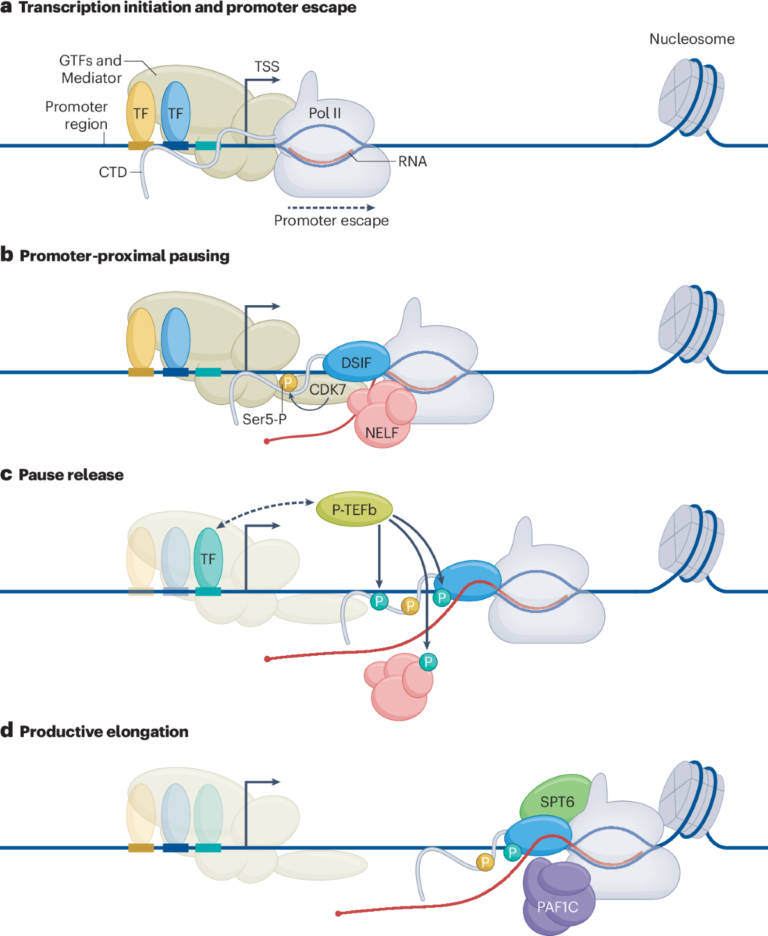 RNA Polimeraz II’nin Gen Okuma Süreci Hastalık Araştırmalarına Yeni Bir Pencere Açıyor
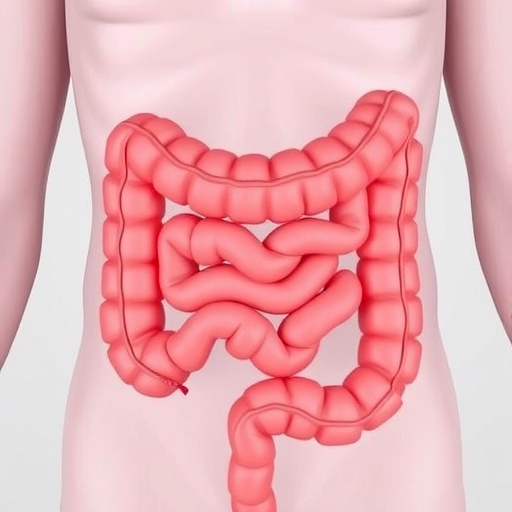 Kolorektal kanserde ameliyat sonrası riskleri yaş ve tümör evresi birlikte şekillendiriyor